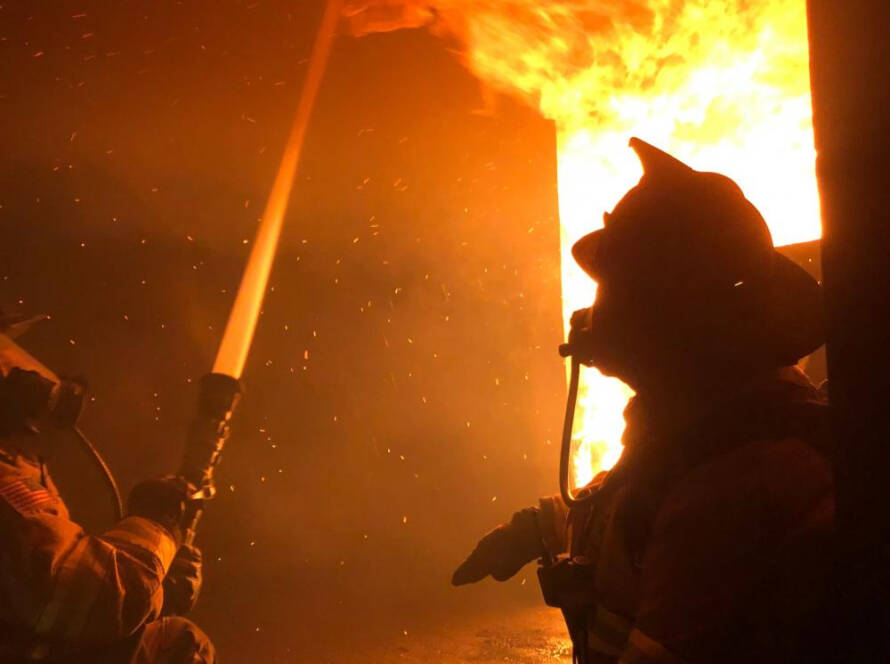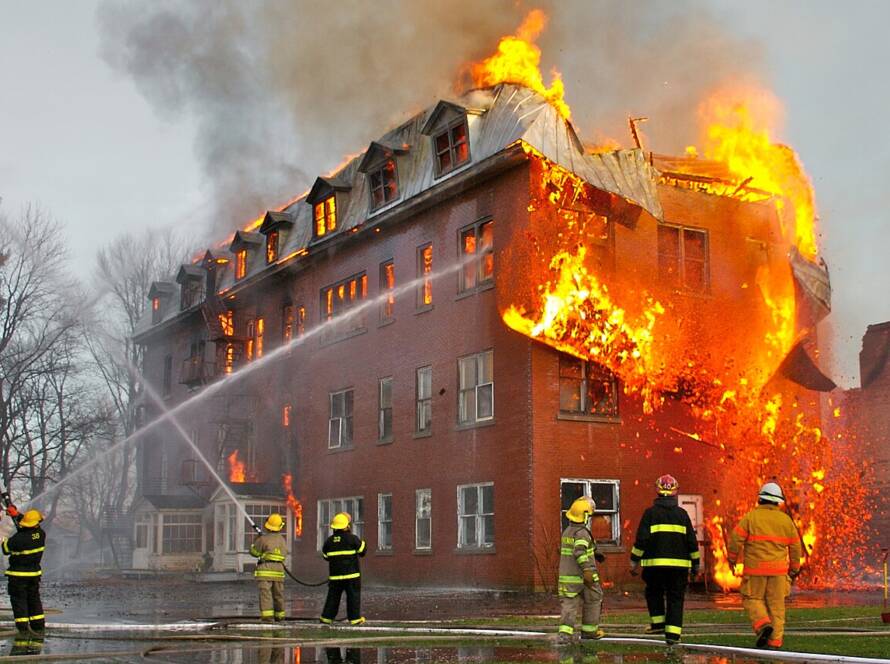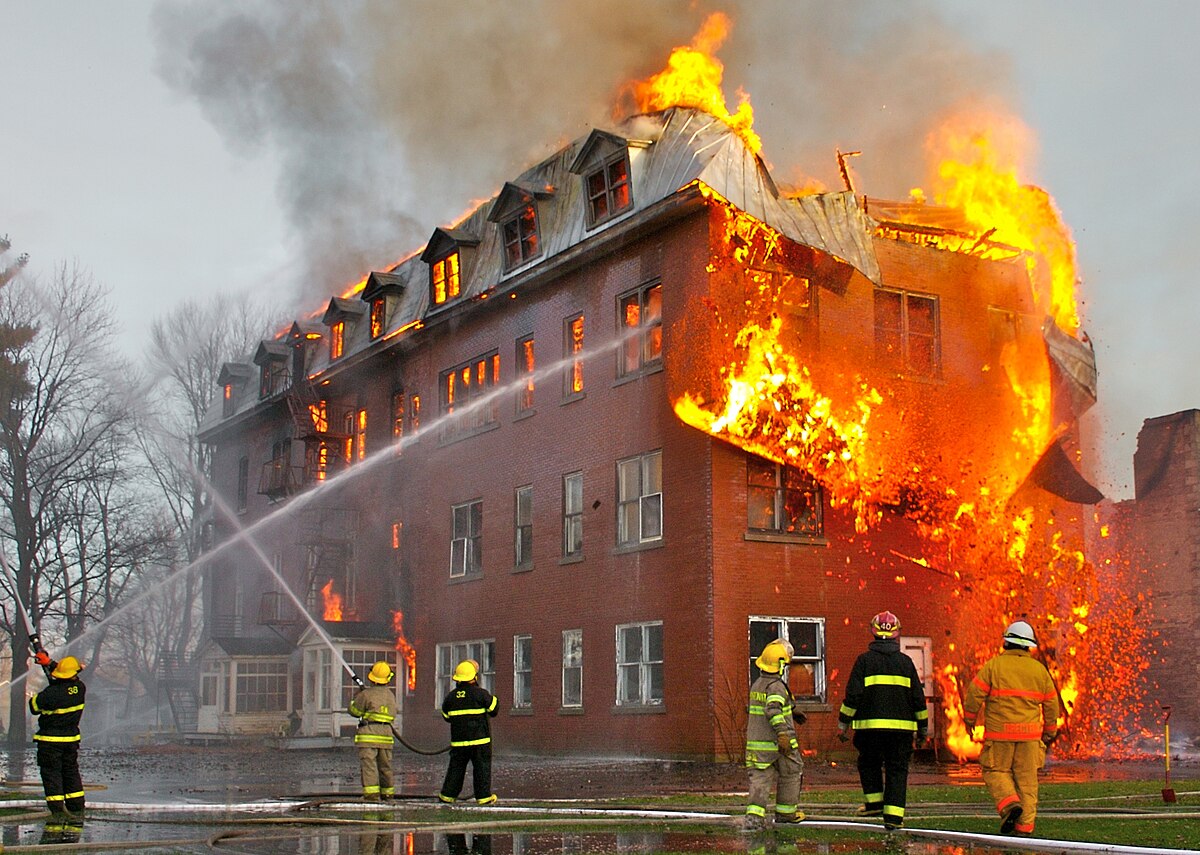
Every commercial building, regardless of its size or purpose, faces the risk of fire. Whether it is an office complex, manufacturing facility, warehouse, shopping centre, hospital, or educational institution, a fire incident can result in devastating consequences, including loss of life, costly property damage, business interruption, and legal liabilities. While many organisations invest heavily in infrastructure and security, fire protection is often overlooked until an emergency occurs. Choosing the right fire protection system is therefore not simply about complying with regulations; it is about protecting people, preserving valuable assets, and ensuring business continuity.
Modern fire protection systems have evolved significantly over the years. Today’s technologies are capable of detecting fire hazards within seconds, automatically activating suppression systems, notifying emergency responders, and assisting occupants in evacuating safely. However, no single fire protection system is suitable for every building. The ideal solution depends on several factors, including the type of occupancy, operational activities, fire hazards, building layout, and statutory compliance requirements. Understanding these factors is essential before investing in any fire safety solution.
At Engsel, we believe that every commercial project deserves a fire protection system that is carefully engineered rather than simply installed. By combining advanced technologies with industry expertise, businesses can create safer environments while meeting all applicable fire safety standards. This guide explains the key considerations that should be evaluated when selecting the most appropriate fire protection system for a commercial building.
Understanding the Fire Risks in Your Building
The first step in choosing an effective fire protection system is understanding the specific fire risks associated with the building. Every commercial property presents unique hazards based on its operations, occupancy, equipment, and materials stored within the premises. An office building, for example, primarily faces electrical fire risks due to computers, servers, and electrical distribution systems. In contrast, manufacturing plants may involve combustible materials, industrial machinery, chemicals, or high-temperature processes that require specialised protection.
Warehouses often contain large quantities of stored goods, making rapid fire detection and suppression essential to prevent extensive losses. Hospitals, hotels, shopping malls, and educational institutions present an entirely different challenge because protecting human life becomes the highest priority. These environments require reliable detection systems, efficient evacuation strategies, and fire protection solutions capable of operating effectively without creating additional hazards for occupants.
A comprehensive fire risk assessment allows engineers to identify vulnerable areas, evaluate potential ignition sources, analyse occupancy patterns, and determine the level of protection required. This assessment forms the foundation for designing an effective fire protection strategy that addresses both safety and regulatory compliance.
The Importance of Fire Detection Systems
Fire detection is the first and perhaps the most critical stage of any fire protection strategy. Detecting smoke, heat, or flames at the earliest possible moment allows emergency procedures to begin before a fire grows beyond control. The faster a fire is detected, the greater the chances of protecting lives, reducing property damage, and maintaining business operations.
Modern fire detection systems utilise intelligent technologies capable of continuously monitoring the building for abnormal conditions. Smoke detectors are commonly used in offices, hotels, and commercial buildings because they identify fires during their earliest stages. Heat detectors are better suited for environments where dust, steam, or smoke may cause false alarms, such as kitchens and industrial facilities. In specialised applications, flame detectors provide rapid identification of open flames, making them particularly valuable in hazardous industrial environments.
Advanced addressable fire alarm systems further improve safety by identifying the exact location of the incident, enabling emergency responders to act quickly and efficiently. Rather than simply indicating that a fire has occurred somewhere within the building, these systems pinpoint the affected device, reducing response times and improving emergency management.
Choosing the Right Fire Suppression System
While detection systems provide early warning, suppression systems are responsible for controlling or extinguishing the fire before it spreads. Selecting the appropriate suppression method depends entirely on the environment being protected and the nature of the fire hazards involved.
Automatic sprinkler systems remain one of the most effective and widely used fire suppression solutions for commercial buildings. Contrary to a common misconception, sprinkler systems do not activate throughout the entire building simultaneously. Instead, only the sprinkler head exposed to sufficient heat operates, delivering water directly onto the affected area. This targeted response helps control the fire while minimising unnecessary water damage.
Certain environments require specialised suppression technologies where water could cause additional harm. Data centres, electrical control rooms, server rooms, laboratories, and archives often rely on clean agent suppression systems because they extinguish fires without damaging sensitive electronic equipment or valuable assets. These systems release environmentally acceptable extinguishing agents that quickly suppress the fire while leaving no residue, allowing businesses to resume operations with minimal disruption.
Selecting between water-based sprinklers, clean agent systems, foam systems, or other suppression technologies should always be based on a professional assessment of the specific risks associated with the facility.
Ensuring Compliance with Fire Safety Standards
Installing a fire protection system is not only about improving safety but also about meeting statutory and industry requirements. Commercial buildings are expected to comply with applicable fire safety regulations, building codes, and local authority guidelines. Failure to meet these standards may result in legal complications, insurance issues, and increased operational risks.
A professionally designed fire protection system takes regulatory compliance into account from the earliest planning stages. Every component, from fire alarm panels and detectors to suppression equipment and emergency evacuation systems, should be selected and installed according to recognised engineering practices. Regular inspections, testing, and preventive maintenance further ensure that the system continues to perform reliably throughout its operational life.
Working with an experienced fire protection partner helps businesses remain compliant while reducing the complexity associated with changing regulations and technical requirements.
Why Professional Design Makes the Difference
Fire protection should never be approached as a standard product that can simply be purchased and installed. Every building has unique characteristics that require careful engineering, planning, and integration. A professionally designed system considers occupancy levels, building architecture, operational activities, future expansion plans, and potential fire hazards before recommending the most suitable solution.
At Engsel, every project begins with understanding the client’s operational requirements and conducting a detailed assessment of the facility. Our engineering team designs integrated fire protection solutions that combine advanced detection technologies, reliable suppression systems, and long-term maintenance strategies to provide comprehensive protection throughout the building’s lifecycle. This approach ensures that clients receive solutions that are not only compliant but also practical, efficient, and tailored to their specific needs.
Conclusion
Choosing the right fire protection system is one of the most important decisions a commercial building owner or facility manager can make. An effective solution goes beyond installing alarms or sprinklers; it creates a complete safety ecosystem that detects hazards early, suppresses fires efficiently, protects occupants, and safeguards valuable assets. Every commercial building has unique fire risks, making professional assessment and customised system design essential for long-term safety and compliance.
With the right expertise and technology, businesses can significantly reduce fire-related risks while ensuring uninterrupted operations and greater peace of mind. Whether you are planning a new commercial project or upgrading an existing facility, Engsel provides end-to-end fire protection solutions designed to deliver safety, reliability, and long-term performance.