Warehouse Fire Safety: Essential Requirements Every Business Should Know
Warehouses play a vital role in modern supply chains by storing raw materials, finished products, machinery, and valuable inventory that support daily business operations. As industries continue to expand and e-commerce drives the demand for larger storage facilities, warehouses have become increasingly complex environments with high storage densities, automated equipment, and continuous movement of goods. While these facilities improve operational efficiency, they also present unique fire safety challenges that require careful planning and specialised fire protection systems.
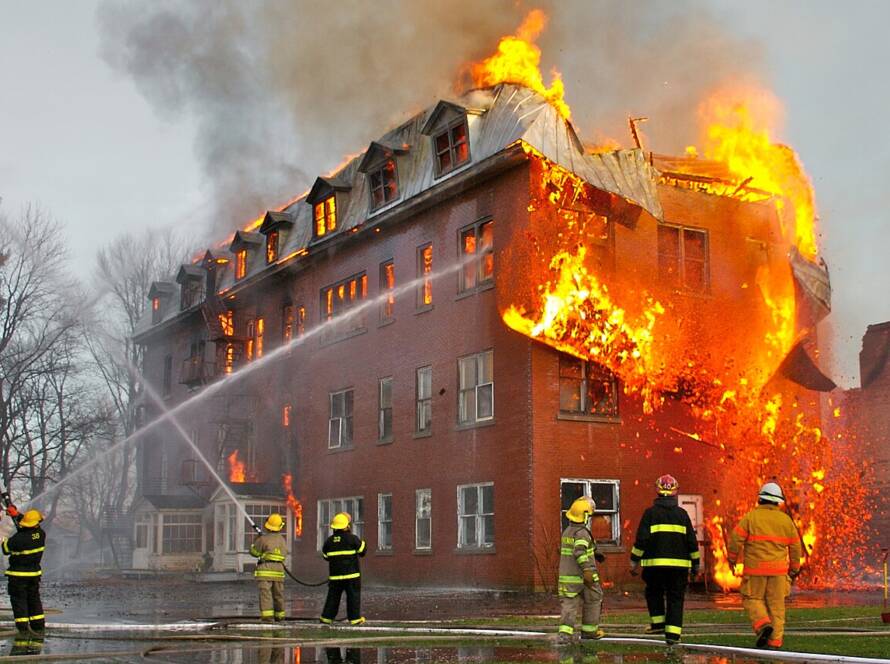
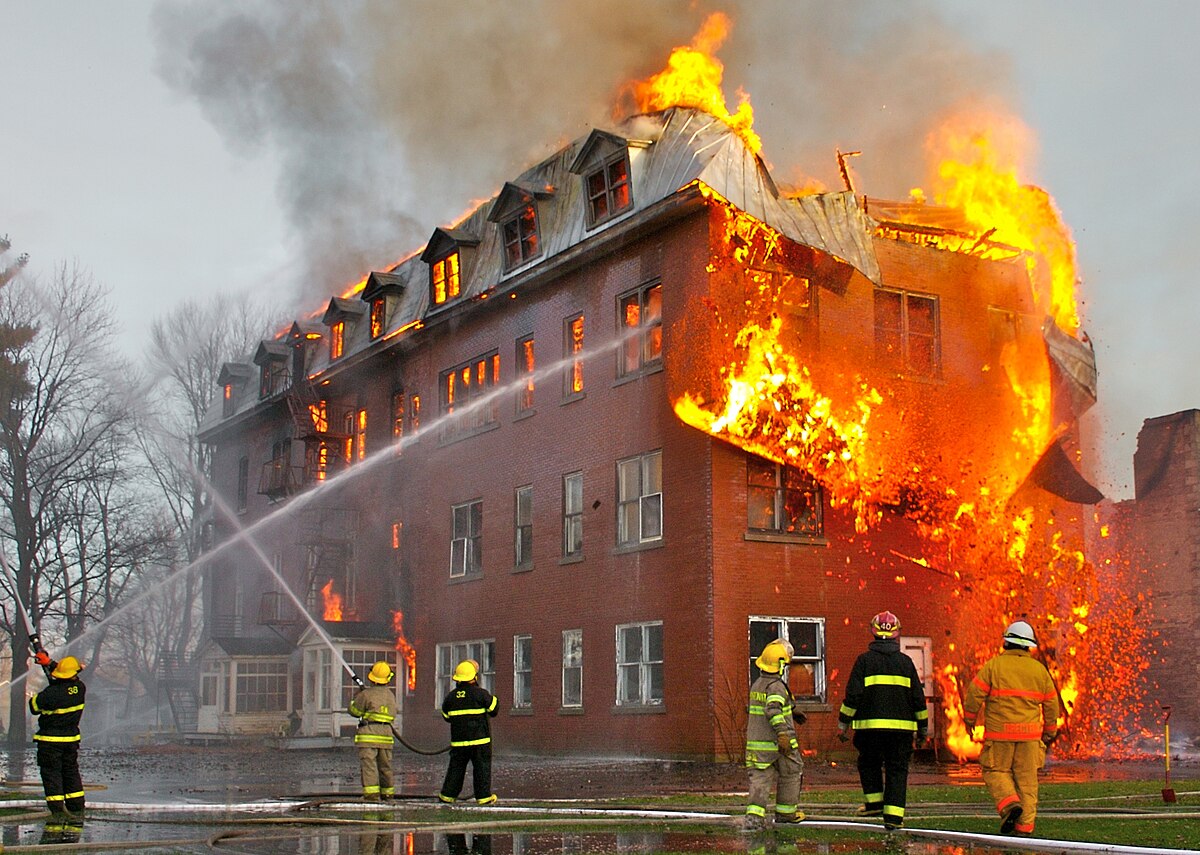
A warehouse fire can spread rapidly due to the large volume of combustible materials, closely packed storage racks, and wide open spaces. Such incidents often result in severe financial losses, operational disruptions, inventory damage, and safety risks for employees. Beyond the immediate impact, businesses may also face supply chain interruptions, insurance complications, and reputational damage that can take months to recover from. For these reasons, warehouse fire safety should never be viewed as a regulatory obligation alone but as a critical investment in long-term business resilience.
Creating a safe warehouse begins with understanding the potential fire hazards, implementing appropriate fire detection and suppression systems, and maintaining a proactive approach towards fire prevention.
Understanding Fire Risks in Warehouses
Unlike office buildings, warehouses contain large quantities of stored goods that may include paper products, wooden pallets, textiles, plastics, packaging materials, chemicals, and flammable liquids. The vertical arrangement of storage racks allows fires to spread quickly through multiple levels, making early intervention essential for preventing catastrophic losses.
Electrical distribution systems, battery charging stations for forklifts, conveyor systems, automated storage equipment, and mechanical machinery further increase the complexity of warehouse fire protection. When combined with limited occupancy during certain operating hours, these risks make automatic fire detection and suppression systems indispensable.
Every warehouse has its own operational characteristics, making professional fire risk assessments an essential part of designing an effective protection strategy.
The Importance of Early Fire Detection
The speed at which a warehouse fire develops leaves very little time for manual intervention. Detecting a fire during its earliest stages significantly improves the chances of controlling the incident before it spreads throughout the facility.
Modern fire detection systems continuously monitor warehouse environments using smoke detectors, heat detectors, beam detectors, and aspirating smoke detection technologies depending on ceiling height and storage configurations. These intelligent systems immediately alert facility managers and emergency responders, allowing rapid action while giving employees sufficient time to evacuate safely.
Early detection not only protects lives but also reduces property damage, operational downtime, and financial losses associated with large-scale warehouse fires.
Automatic Fire Suppression Systems
Because warehouses typically contain extensive storage areas, automatic fire suppression systems form the backbone of warehouse fire protection. Sprinkler systems are widely recognised as one of the most effective methods of controlling fires within storage facilities. Modern sprinkler designs provide targeted water discharge that activates only in the affected area, helping contain the fire while minimising unnecessary water usage.
In specialised warehouse environments that store hazardous materials, chemicals, or sensitive equipment, alternative suppression technologies such as foam systems or clean agent suppression may also be required. Selecting the appropriate suppression solution depends on the nature of stored products, storage height, fire load, and applicable regulatory requirements.
A professionally engineered suppression system ensures rapid response while protecting valuable inventory and maintaining operational continuity.
Maintaining Clear Access and Emergency Evacuation Routes
An effective fire protection strategy extends beyond equipment installation. Emergency exits, evacuation routes, and access pathways should remain clear at all times to enable safe movement during emergencies. Warehouses often experience changes in inventory levels and storage arrangements, making it essential to regularly inspect aisles and emergency exits to ensure they remain unobstructed.
Proper emergency signage, exit lighting, and evacuation planning further improve employee safety by providing clear guidance during stressful situations. Regular fire drills help familiarise warehouse personnel with evacuation procedures and improve overall emergency preparedness.
The Importance of Preventive Maintenance
Fire protection systems require continuous inspection and maintenance to ensure reliable performance. Smoke detectors, sprinkler systems, alarm panels, suppression equipment, emergency lighting, and communication systems should all be tested periodically according to applicable safety standards.
Routine maintenance helps identify damaged components, blocked sprinkler heads, faulty detectors, and other issues before they compromise system performance. As warehouses expand or storage layouts change, fire protection systems should also be reviewed to verify that adequate coverage is maintained throughout the facility.
Preventive maintenance is one of the most effective ways to ensure long-term fire safety while protecting valuable business assets.
Why Choose Engsel for Warehouse Fire Protection?
At Engsel, we understand that every warehouse presents unique operational challenges. Our experienced engineering team designs integrated warehouse fire protection solutions that combine intelligent fire detection, advanced fire alarm systems, automatic sprinkler systems, suppression technologies, testing, commissioning, and long-term preventive maintenance.
Every solution is tailored to the specific storage configuration, operational processes, and fire risks associated with each facility. By combining engineering expertise with advanced fire protection technologies, Engsel helps businesses safeguard employees, protect valuable inventory, and maintain uninterrupted operations.
Conclusion
Warehouse fire safety requires far more than installing basic fire protection equipment. As storage facilities continue to increase in size and complexity, businesses must adopt comprehensive fire protection strategies that combine early detection, automatic suppression, regular maintenance, and effective emergency planning.
Investing in professionally designed warehouse fire protection systems not only helps organisations meet regulatory requirements but also protects inventory, ensures employee safety, and reduces the financial impact of fire-related incidents. A proactive approach to fire safety creates a safer working environment while supporting long-term operational success.
With customised engineering solutions and industry expertise, Engsel delivers reliable warehouse fire protection systems designed to meet the evolving needs of modern storage and logistics facilities.
Call to Action
Protect your warehouse with intelligent fire protection solutions from Engsel. Whether you’re developing a new logistics facility or upgrading an existing warehouse, our experts can design a customised fire safety system that protects your people, inventory, and business operations. Contact Engsel today to discuss your warehouse fire safety requirements.