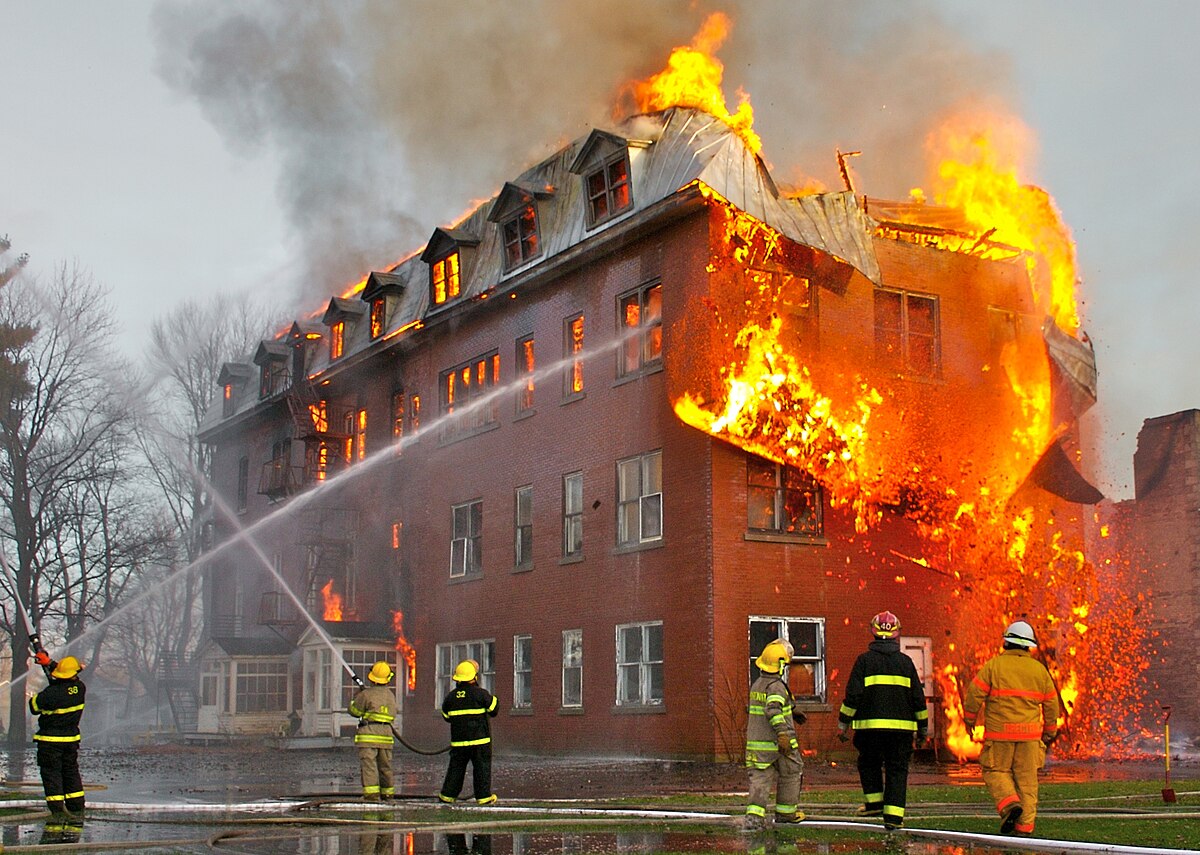
Industrial facilities are among the most complex working environments when it comes to fire safety. Manufacturing plants, warehouses, processing units, chemical facilities, and engineering workshops operate with heavy machinery, electrical systems, combustible materials, and high-temperature processes that significantly increase the risk of fire. Even a minor oversight can quickly escalate into a major emergency, resulting in injuries, production downtime, financial losses, and long-term damage to business operations.
Despite increasing awareness and stricter safety regulations, many industries continue to make avoidable mistakes that compromise workplace safety. In many cases, these issues do not arise because organisations ignore fire safety altogether, but because systems become outdated, maintenance is delayed, or fire risks are underestimated during daily operations. Building a safe industrial environment requires more than installing fire extinguishers or alarm systems—it demands a comprehensive approach that combines planning, engineering, employee awareness, and continuous maintenance.
Understanding the most common fire safety mistakes is the first step towards preventing them. By identifying potential weaknesses and implementing reliable fire protection solutions, industries can protect their workforce, minimise operational risks, and maintain uninterrupted business continuity.
Neglecting Regular Fire Risk Assessments
One of the most common mistakes industries make is assuming that a fire protection system installed several years ago will continue to provide adequate protection indefinitely. Industrial environments constantly evolve as new machinery is introduced, production lines are modified, storage capacities increase, and electrical loads change. Each of these changes can create new fire hazards that were not considered during the original system design.
Regular fire risk assessments help organisations identify these changing risks before they become serious problems. A professional assessment evaluates potential ignition sources, combustible materials, escape routes, equipment layout, and occupancy patterns to ensure that existing fire protection measures remain effective. Periodic evaluations also help businesses stay compliant with applicable safety standards while reducing the likelihood of unexpected fire incidents.
Relying on Outdated Fire Detection Systems
Early fire detection plays a crucial role in preventing small incidents from developing into large-scale emergencies. Unfortunately, many industrial facilities continue to rely on ageing fire alarm systems that may no longer provide the speed, accuracy, or reliability required in modern operations.
Today’s intelligent fire detection technologies can quickly identify smoke, heat, or flames while reducing false alarms that often disrupt production. Addressable fire alarm systems are particularly valuable because they identify the exact location of an incident, allowing emergency responders to react more efficiently. Upgrading outdated detection systems not only improves workplace safety but also enhances operational confidence by ensuring that potential hazards are identified as early as possible.
Ignoring Preventive Maintenance
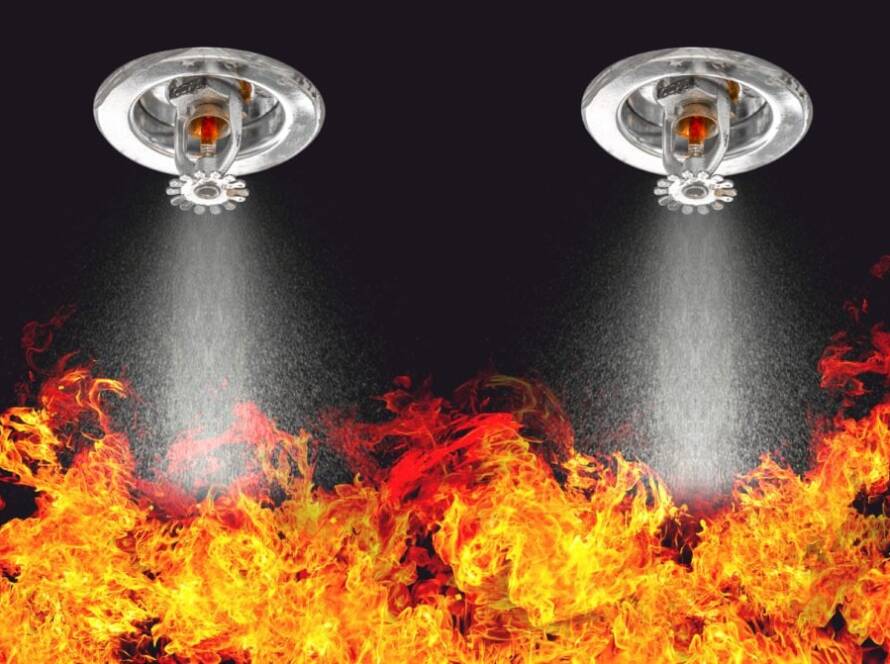
Even the most advanced fire protection system cannot perform effectively if it is not maintained properly. Dust accumulation, damaged detectors, corroded sprinkler heads, faulty valves, depleted suppression cylinders, and neglected alarm panels can all reduce the reliability of the system during an emergency.
Preventive maintenance should never be viewed as an unnecessary expense. Instead, it is an investment in business continuity and employee safety. Scheduled inspections, functional testing, calibration, and servicing help ensure that every component operates exactly as intended when it is needed most. Regular maintenance also extends the lifespan of fire protection equipment while reducing the risk of costly emergency repairs.
Improper Storage of Flammable Materials
Many industrial fires originate from the improper handling or storage of combustible materials. Chemicals, fuels, solvents, packaging materials, and other flammable substances require carefully designed storage areas with adequate ventilation, separation distances, and fire protection systems.
When hazardous materials are stored without proper planning, even a minor ignition source can trigger a rapidly spreading fire. Industries should ensure that storage practices comply with applicable safety guidelines and that appropriate suppression systems are installed wherever combustible materials are present. Proper labelling, housekeeping, and employee awareness further reduce the likelihood of accidental ignition.
Overlooking Electrical Fire Hazards
Electrical systems are responsible for a significant number of industrial fire incidents. Overloaded circuits, ageing wiring, damaged insulation, loose electrical connections, and poorly maintained equipment can all generate excessive heat capable of igniting nearby combustible materials.
Routine electrical inspections are essential for identifying these issues before they become dangerous. Thermal imaging surveys, preventive maintenance, and timely replacement of damaged components significantly reduce electrical fire risks. Integrating electrical safety into an organisation’s overall fire protection strategy helps create a safer working environment while minimising unexpected production interruptions.
Inadequate Employee Training
Technology alone cannot prevent every fire emergency. Employees play a vital role in identifying hazards, reporting unsafe conditions, and responding appropriately during emergencies. Unfortunately, many organisations invest heavily in fire protection equipment while providing minimal practical training for their workforce.
Regular fire safety training ensures that employees understand evacuation procedures, emergency communication protocols, and the correct use of fire extinguishers where appropriate. Mock drills help workers remain calm under pressure while allowing organisations to identify weaknesses in their emergency response plans. A well-informed workforce often becomes the first line of defence against fire-related incidents.
Failing to Maintain Fire Protection Systems After Installation
Another common misconception is that fire protection systems require little attention once they have been installed. In reality, every component—including smoke detectors, alarm panels, suppression systems, sprinkler networks, and emergency lighting—must be inspected and tested periodically to verify operational readiness.
As facilities expand or production processes change, fire protection systems may also require upgrades to maintain adequate coverage. Businesses that prioritise ongoing maintenance and periodic system reviews are better prepared to respond effectively when emergencies occur.
How Engsel Helps Industries Improve Fire Safety
At Engsel, industrial fire safety begins with understanding the unique operational requirements of every facility. Our experienced engineering team conducts detailed site assessments to identify potential hazards before recommending integrated fire protection solutions that combine intelligent fire detection, advanced suppression technologies, sprinkler systems, alarm systems, testing, commissioning, and long-term preventive maintenance.
Rather than offering standard solutions, Engsel designs customised fire protection strategies that align with each client’s industry, operational processes, and regulatory requirements. This engineering-driven approach helps organisations improve workplace safety while protecting valuable assets and maintaining uninterrupted business operations.
Conclusion
Industrial fire safety is not achieved through a single piece of equipment or a one-time inspection. It requires continuous evaluation, reliable technology, regular maintenance, and a strong safety culture supported by trained personnel and experienced fire protection professionals. By recognising and addressing common fire safety mistakes, industries can significantly reduce fire-related risks while protecting employees, infrastructure, and long-term business continuity.
Investing in professional fire protection solutions today helps organisations avoid costly disruptions tomorrow. With the right planning, advanced technology, and expert guidance, industrial facilities can create safer workplaces that remain prepared for evolving operational challenges.