Fire Detection vs Fire Suppression Systems: What’s the Difference?
When planning a fire protection strategy for a commercial or industrial facility, one of the most common questions businesses ask is whether they need a fire detection system, a fire suppression system, or both. Although these terms are often used interchangeably, they serve entirely different purposes within a comprehensive fire protection plan. Understanding the distinction between fire detection and fire suppression is essential for making informed decisions that protect lives, property, and business operations.
Fire protection is most effective when it follows a layered approach. A fire must first be detected before appropriate action can be taken, and once detected, it must be controlled or extinguished as quickly as possible. This is why modern commercial buildings, manufacturing plants, warehouses, hospitals, hotels, and data centres typically rely on both detection and suppression systems working together. Each system performs a unique role, and together they form a complete defence against fire emergencies.
This article explains the differences between fire detection and fire suppression systems, how they operate, where they are used, and why every commercial facility should consider integrating both into its fire safety strategy.
What is a Fire Detection System?
A fire detection system is designed to identify the earliest signs of a fire and alert occupants before the situation becomes dangerous. Its primary objective is not to extinguish a fire but to recognise conditions such as smoke, excessive heat, or flames and initiate an immediate response. Early detection allows building occupants to evacuate safely while enabling emergency services and facility managers to take swift action.
Modern fire detection systems continuously monitor different areas of a building using intelligent sensors. Depending on the application, these systems may include smoke detectors, heat detectors, flame detectors, manual call points, and addressable fire alarm panels that precisely identify the location of an incident. Once activated, the system triggers audible alarms, visual indicators, emergency notifications, and in many cases communicates directly with building management systems or emergency response teams.
Because every second counts during a fire emergency, early detection significantly reduces response time and limits the potential for extensive damage.
What is a Fire Suppression System?
Unlike detection systems, fire suppression systems are designed to actively control or extinguish a fire after it has been detected. Their primary purpose is to prevent the fire from spreading, minimise damage to property, and improve the safety of occupants until emergency responders arrive.
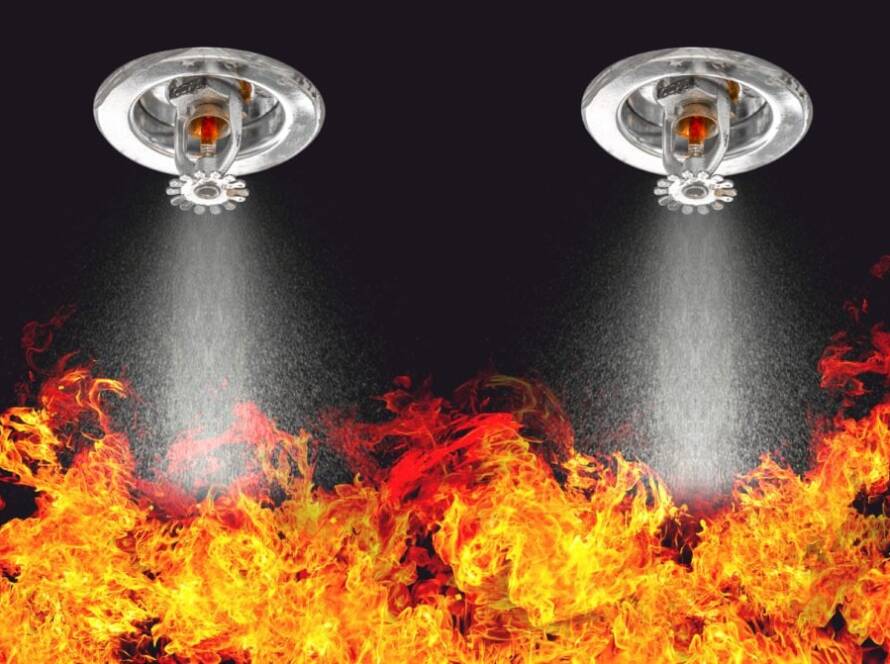
Different facilities require different suppression methods depending on the nature of their operations. Automatic sprinkler systems remain the most common solution for commercial buildings because they discharge water directly over the affected area once sufficient heat activates the sprinkler head. In environments where water may damage sensitive equipment, specialised suppression systems using clean agents, inert gases, foam, or carbon dioxide provide effective alternatives.
Data centres, server rooms, laboratories, electrical substations, control rooms, and industrial process facilities frequently rely on clean agent suppression systems because they extinguish fires quickly without leaving residue or causing damage to valuable electronic equipment. Selecting the correct suppression technology depends on the specific fire hazards present within the facility.
How Fire Detection and Fire Suppression Work Together
Although fire detection and fire suppression systems perform different functions, they are most effective when integrated into a single fire protection strategy. Detection systems provide the earliest warning by identifying smoke, heat, or flames, while suppression systems immediately begin controlling the fire to reduce its impact.
For example, when smoke detectors identify signs of a developing fire inside a server room, the fire alarm system alerts occupants and simultaneously sends signals to the suppression control panel. After verifying the emergency and allowing time for evacuation where required, the suppression system releases the appropriate extinguishing agent to eliminate the fire before it spreads to surrounding equipment. This coordinated response significantly reduces downtime, protects valuable assets, and enhances overall building safety.
Rather than choosing between detection and suppression, organisations should recognise that both systems complement each other and are essential components of a complete fire protection solution.
Which System Does Your Facility Need?
The answer depends on the type of building, operational activities, and potential fire hazards. Every commercial or industrial facility should have a reliable fire detection system because early warning is essential for occupant safety and emergency response. However, facilities containing expensive machinery, sensitive electronic equipment, hazardous materials, or high-value assets often require specialised fire suppression systems in addition to standard sprinkler protection.
Office buildings, shopping malls, educational institutions, hospitals, hotels, warehouses, manufacturing plants, and industrial processing units all present unique fire risks. A professional fire risk assessment helps determine which combination of detection and suppression technologies will provide the highest level of protection while ensuring compliance with applicable fire safety standards.
The Importance of Professional System Design
Installing fire protection equipment without proper planning can leave significant gaps in safety coverage. Every building has unique architectural characteristics, occupancy levels, operational processes, and regulatory requirements that influence the design of an effective fire protection system.
Professional engineering ensures that detection devices are positioned correctly, suppression systems provide adequate coverage, alarm systems communicate effectively, and all components function together during an emergency. A carefully designed integrated system not only improves safety but also reduces false alarms, simplifies maintenance, and enhances long-term reliability.
At Engsel, every project begins with a comprehensive assessment of the client’s facility to ensure that the selected fire detection and fire suppression systems are fully aligned with operational requirements and industry standards.
Why Businesses Trust Engsel
Engsel provides end-to-end fire protection solutions for commercial, industrial, healthcare, hospitality, educational, and infrastructure projects. Our experienced engineering team designs, installs, tests, and maintains integrated fire protection systems that combine intelligent fire detection, advanced suppression technologies, automatic sprinkler systems, and comprehensive maintenance support.
Rather than recommending generic products, we develop customised fire protection strategies that address the unique challenges of each facility. This engineering-focused approach ensures reliable performance, regulatory compliance, and long-term operational safety.
Conclusion
Fire detection and fire suppression systems perform different but equally important roles in protecting commercial and industrial facilities. Detection systems identify fire hazards at the earliest possible stage, providing valuable time for evacuation and emergency response. Suppression systems then work to control or extinguish the fire, limiting damage and helping maintain business continuity.
Organisations should not view these systems as alternatives but as complementary components of a complete fire protection strategy. By integrating both technologies into a professionally designed solution, businesses can significantly improve workplace safety while protecting people, property, and critical operations.
Whether you are planning a new facility or upgrading an existing one, Engsel delivers customised fire protection solutions that combine intelligent detection with reliable suppression technologies to provide comprehensive protection when it matters most.